Introduction
A brisket cook demands 10 to 16 hours of patience. The most common reason that time is wasted isn't technique — it's starting with the wrong cut. Even precise temperature control and a perfect rub can't salvage a poorly marbled, under-aged, or improperly sized brisket. The foundation of a great smoke is built at the butcher counter, not the smoker.
This guide covers everything to evaluate before firing up the smoker: grade, marbling, cut anatomy, size, appearance, and sourcing. Knowing what to look for — and why each factor matters — is what separates a memorable cook from a disappointing one.
Key Takeaways
- Buy a whole "packer" brisket — the fat cap and point muscle protect the flat during a long smoke
- USDA Choice or Prime grades deliver consistent results; Select grade is too lean for smoking
- Marbling in the flat muscle is the single most important visual indicator of juiciness
- Drape the brisket over your hand — it should bend noticeably, not hold stiff, signaling proper aging
- Aim for 12-17 lbs for optimal cook time and fat content
What Is a Brisket?
Brisket is a cut taken from the lower chest or pectoral region of the cow, a heavily worked muscle that's naturally tough but turns tender and deeply flavorful when cooked low and slow. Because cattle lack collar bones, the pectoral muscles carry about 60% of the animal's body weight — which means significant connective tissue and collagen throughout.
Brisket is sold in multiple forms: as a whole "packer," as a flat only, or occasionally as a point only. Which form you buy directly affects how the meat behaves over a 12+ hour smoke.
Parts of a Brisket
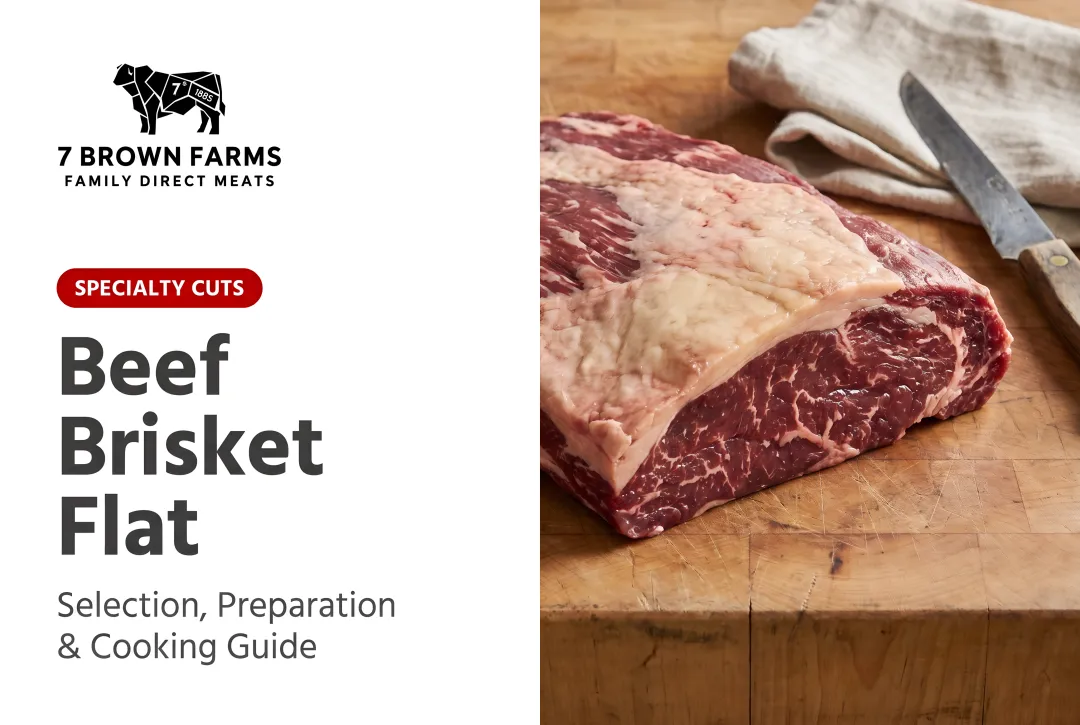
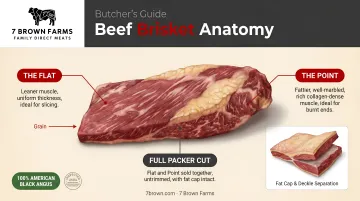
The Flat: Leaner and thinner (M. pectoralis profundi), the flat makes up most of the brisket's length. With less natural fat, it's the most prone to drying out — and the portion you see sliced in traditional BBQ presentations.
The Point (Deckle): Thicker and fattier (M. pectoralis superficialis), the point sits on top of the flat and provides the rendered fat that bastes the leaner muscle throughout the cook. It's also the source of burnt ends, and its fat content makes it far more forgiving than the flat.
The Full Packer Brisket: Flat and point left intact, connected by the fat seam between them — that's a whole packer (IMPS 120). Most pitmasters consider it the gold standard for smoking: the point's fat shields and continuously bastes the flat across a long cook, making the finished product more consistently tender.
Key Factors for Selecting the Best Brisket for Smoking
Brisket selection involves evaluating several factors simultaneously. No single indicator tells the full story. The best briskets score well across most of these criteria.
USDA Grade
The three grades most commonly found at retail are:
- Select: "Slight" marbling — generally too lean for successful smoking
- Choice: "Small" to "Modest" marbling — high quality and widely available
- Prime: "Slightly Abundant" marbling — highest quality, more forgiving
USDA grading is determined primarily by marbling level and animal age. As of 2026, USDA Prime carcasses average 11.9% of the harvest mix, while Choice remains stable at 72-74%. Select grade has dropped to about 11.1%.
Choice vs. Prime: Prime has more marbling and is more forgiving for beginners, but a well-selected upper-Choice brisket with good marbling can produce equally excellent results. Some experienced pitmasters prefer Choice because it yields more usable meat and the fat level is not excessive. Look for heavily marbled Choice or Prime if your budget allows.
Marbling
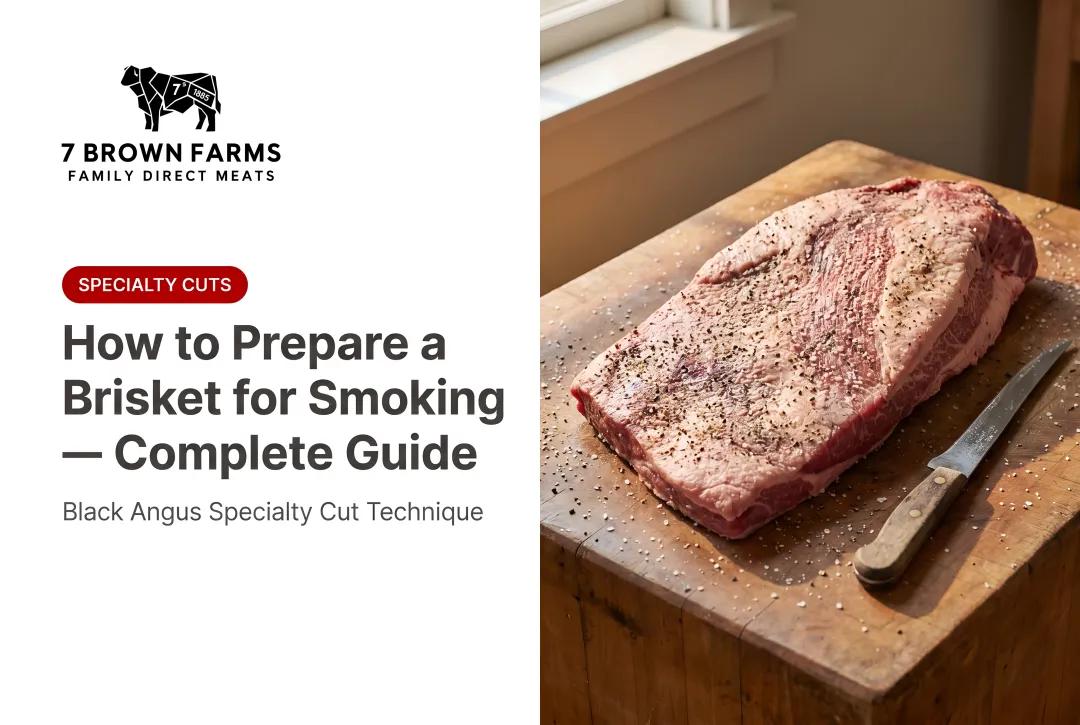
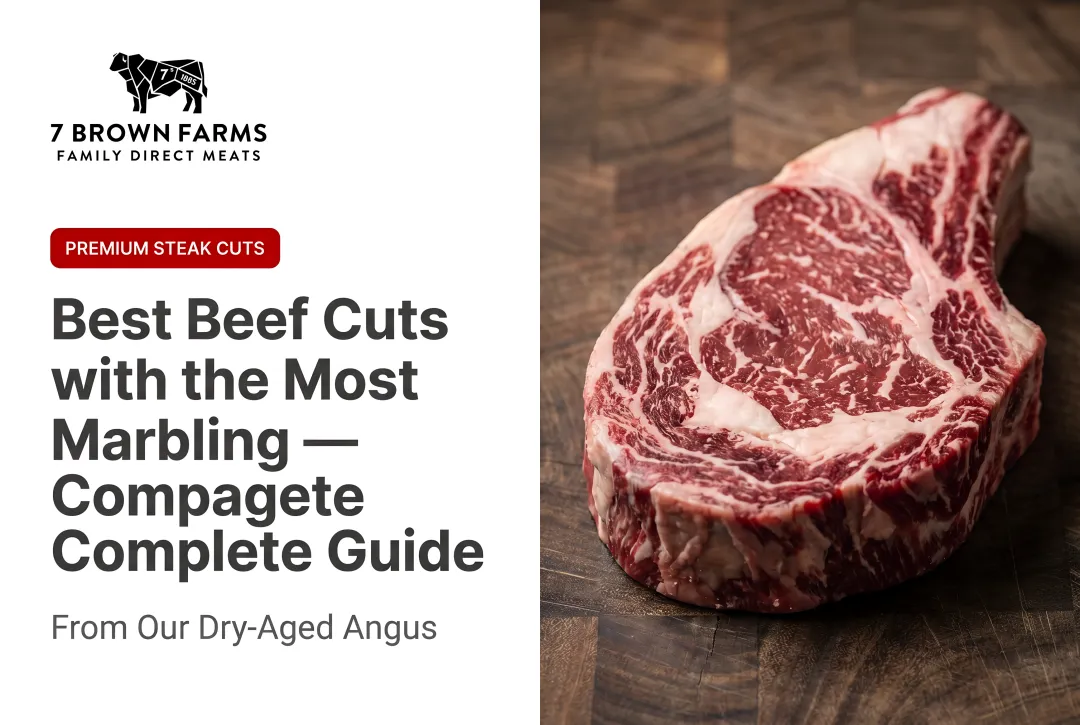
Marbling is the thin, web-like striations of intramuscular fat distributed throughout the flat muscle (not the exterior fat cap, but the fat woven inside the muscle itself). This fat renders during cooking and distributes moisture and flavor throughout each slice.
How to evaluate marbling:
- Compare two briskets side by side if possible
- Look for frequent, fine fat seams across the flat
- More marbling = juicier, more evenly tender result
- Avoid briskets with fewer, thicker pockets of fat
Programs like Certified Angus Beef (CAB) impose a minimum marbling score of "Modest" (average Choice) or higher, ensuring superior marbling potential compared to commodity averages.
Meat Color and Fat Appearance
Meat Color: Quality brisket should be a bright, vibrant reddish-pink (cherry red). Avoid:
- Gray or very dark purple meat (may indicate DFD beef caused by pre-slaughter stress)
- Brown meat (may signal previous freezing or aging past prime)
- Dark purple or black meat (DFD beef with abnormally high pH, shorter shelf life)
When fresh meat is exposed to oxygen, myoglobin forms oxymyoglobin, giving it that bright cherry-red bloom. Prolonged exposure causes oxidation, forming metmyoglobin, which turns meat brownish-red or gray.
Fat Color: Look for fat that is white and smooth — the standard for grain-fed cattle. Watch for:
- Slight yellow tint: indicates grass-fed cattle, different flavor profile, potentially less fat rendering
- Yellow color overall: higher carotenoid content from forage-based diets
- Brown spots on edges: red flag for prior freezing or freezer burn
The Bend Test
Pick up the whole packer brisket by one end and observe how much it bends or droops under its own weight. A brisket with good flex signals that it has been properly aged: connective tissue has begun to break down and will be easier to cook to tenderness.
A stiff brisket that barely bends may be under-aged or have excessive connective tissue, making it much harder to achieve a melt-in-your-mouth result. This "flop test" is scientifically validated as a qualitative assessment of connective tissue breakdown. If the brisket flops to an angle of no more than 45°, acceptable texture and tenderness have been achieved.
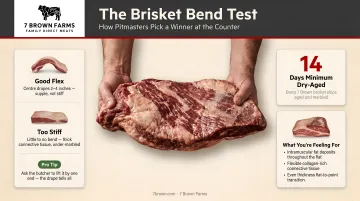
Vacuum-sealed packages restrict movement, so this test works best when buying direct from a butcher or farm where you can handle the cut before purchase.
Size and Weight
Ideal weight range: 12-17 lbs for a whole packer
Why this range matters:
- Smaller briskets (under 10 lbs) often lack the fat content needed to self-baste through a long cook
- Very large briskets make timing and even cooking more difficult for home pitmasters
- Briskets under 10 lbs are typically just the flat with the point removed
Flat thickness is critical: Any section of the flat thinner than about 1 inch is prone to overcooking before the point is done. While USDA IMPS 120A specifications only require a brisket flat to be ½-inch thick, BBQ experts warn this is too thin for smoking. Choose a brisket with a uniformly thick flat to minimize waste and dry sections.
Aging
Wet Aging: Most commercial briskets are vacuum-sealed and wet-aged, where natural enzymes break down connective tissue over time. A minimum of around 28 days is generally recommended, with the greatest tenderness gains typically achieved within the first 14 days.
Dry Aging: A separate, premium process that concentrates flavor, but generally not recommended for brisket due to significant yield losses. Dry aging produces cooler shrinkage of 4.54% to 6.53% and trim losses of 5.06% to 6.55% after 21 days, making it costly for an already shrink-prone cut.
When sourcing from a butcher or farm, ask how long the brisket has been aged. A well-aged brisket requires less babysitting on the smoker and consistently produces better texture in the flat.
Whole Packer vs. Flat: Which Should You Buy?
The whole packer brisket is almost universally recommended by competition pitmasters and serious backyard cooks. The point muscle's fat layer naturally bastes and protects the leaner flat throughout the long cook, making the whole packer far more forgiving and flavorful.
That fat cap also acts as insulation, slowing heat transfer and helping the flat hold moisture over the hours-long smoke.
When a flat-only brisket makes sense:
- Limited grill space
- Feeding a smaller group
- Practicing technique before committing to a full packer
If you do go flat-only, choose the thickest, most heavily marbled cut available and plan to wrap it earlier. These techniques will help you manage moisture:
- Lower cook temperatures (225°F)
- Injecting with beef broth
- Earlier wrapping (the "Texas Crutch") around 150°F internal temperature
Recommendation: For the best smoked brisket experience, buy the full packer whenever possible. Expect approximately 50% yield of trimmed, cooked lean meat from the raw weight.
Why 7 Brown Farms Black Angus Brisket Is Built for the Smoker
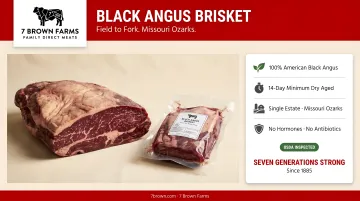
7 Brown Farms is a seven-generation family farm from the Missouri Ozarks, USDA inspected, raising 100% American Black Angus cattle on a single estate. Breed and raising practices directly impact the marbling quality a buyer gets in their brisket — and this farm's approach eliminates the guesswork common at grocery store coolers.
Key quality differentiators that matter at the selection stage:
- Always marbled and 14-day dry-aged as a baseline — every brisket undergoes enzymatic tenderization before it ships
- Raised without hormones, antibiotics, or additives — no shortcuts from pasture to processing
- Custom grain finish unique to the Missouri Ozarks — the final 100+ days of finishing create exceptional marbling throughout the flat
- Single-estate sourcing — never imported, mixed, or long-hauled, providing complete traceability from calf to fork
That Black Angus genetics and custom grain finishing translate directly to USDA Prime or near-Prime marbling — the kind that keeps the flat moist through a 12-hour smoke without constant intervention.
7 Brown Farms ships nationwide with two-day frozen delivery and offers custom bulk orders and cut sheets. Their 7-10 lb briskets arrive ready to trim and smoke, which means no standing at a meat counter flipping over packages looking for adequate fat coverage. The farm's custom grain program also produces a favorable Omega 6 and 3 balance — a detail that matters to athletes and health-focused families choosing where their protein comes from.
If you want to skip the variable quality at the grocery counter and start your smoke with known marbling, known aging, and known sourcing, 7 Brown Farms is a straightforward place to order from.
Conclusion
Selecting the right brisket is the foundation of a great smoke — no rub or smoker setup can compensate for a poorly marbled, under-aged, or wrong-sized cut. The best results start at the point of purchase, not at the pit.
The goal isn't to find the most expensive brisket on the shelf — it's to find the one that checks the right boxes:
- Grade: Choice minimum, Prime if available
- Marbling: Visible fat running through the flat, not just the point
- Color: Deep red, not gray or brown
- Flexibility: Packer-cut whole brisket with some give when lifted
- Size: 12–17 lbs for manageable cook times and even rendering
- Aging: At least 14 days for moisture retention and tenderness
Farms like 7 Brown Farms — which raise 100% American Black Angus on a single Missouri estate with a 14-day minimum dry-aging process — take most of those variables off the table before the brisket ever reaches your smoker.
Frequently Asked Questions
What is the best cut of brisket for smoking?
The whole "packer" brisket — which includes both the point and the flat — is widely considered the best cut for smoking. The fat content in the point helps baste and protect the leaner flat throughout the long cook, resulting in a more tender and flavorful finished product.
What is the best grade brisket to smoke?
USDA Choice and Prime are both solid options. Prime has more marbling and is more forgiving for beginners, while a well-selected upper-Choice brisket with good marbling can produce equally excellent results. Select grade is generally too lean to withstand a long smoke without drying out.
Is it better to buy a whole brisket or a flat?
A whole packer brisket is almost always the better choice — the point's fat protects the flat and adds flavor throughout the cook. A flat alone can work, but it's more prone to drying out and demands closer attention to moisture management.
What is the best size of brisket to smoke?
A whole packer brisket in the 12-17 lb range is the sweet spot, large enough for sufficient fat content yet manageable for most home smokers. Also ensure the flat maintains at least 1 inch of thickness across its length to prevent overcooking at the edges.
What is a brisket cut called at the grocery store?
At grocery stores, brisket may be labeled as "brisket flat," "brisket flat cut," "packer brisket," or simply "beef brisket." The flat is the most common supermarket cut; whole packers are more readily found at warehouse stores like Costco, butcher shops, or farm-direct suppliers like 7 Brown Farms.
What are the parts of a beef brisket?
A full beef brisket consists of two main muscles: the flat, which is the leaner portion running most of the length, and the point, the thicker, fattier muscle on top. Together they form the "whole packer" brisket, joined by a fat seam between them.